
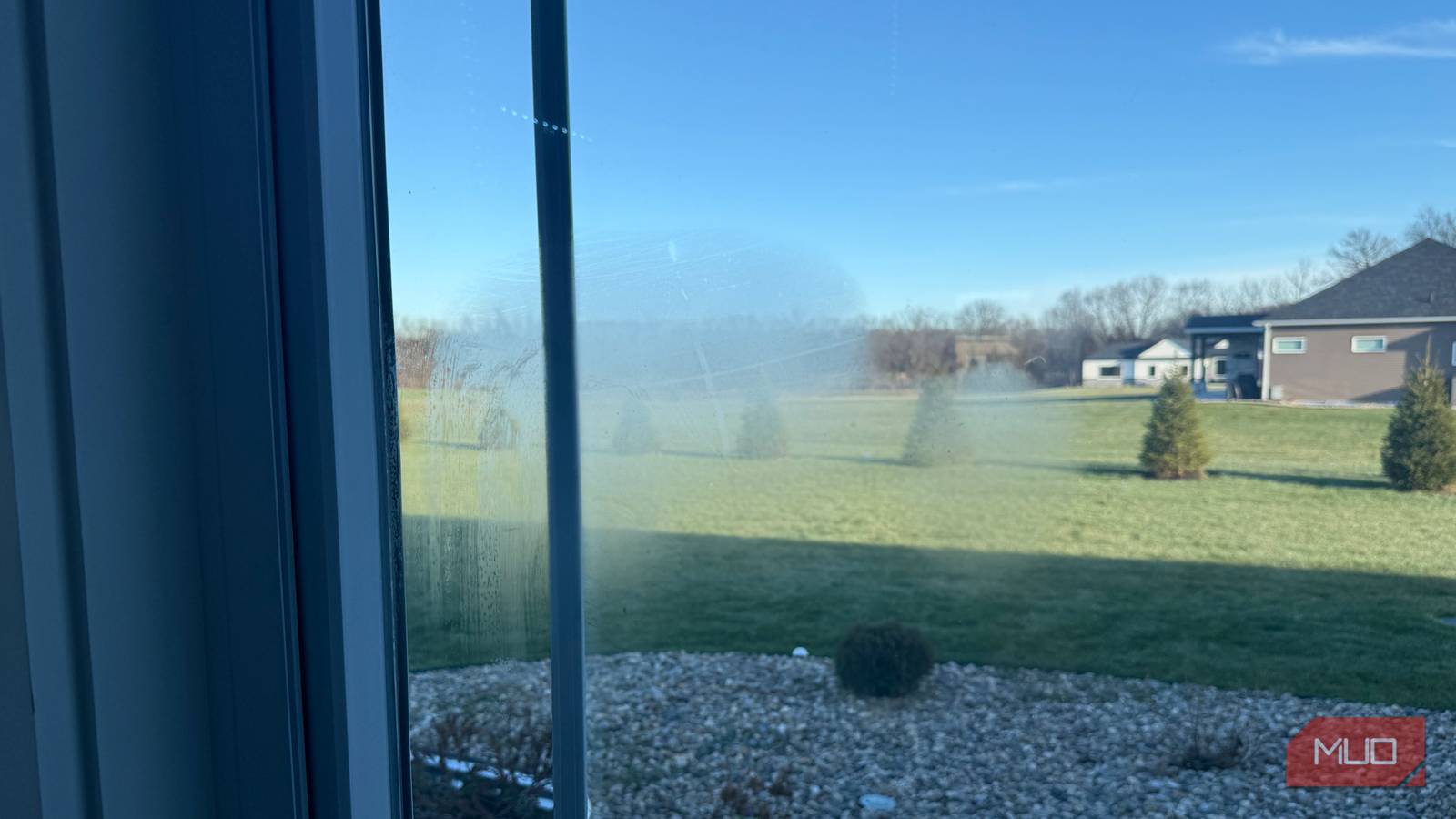

My three-season room has these big, beautiful windows that turn into a foggy mess every winter. I’m talking condensation dripping down the glass before 7 AM, pooling on the sills. The room doesn’t connect to our central HVAC — it’s just sitting on a concrete slab getting cold while the rest of the house stays warm. For a couple of winters, I just accepted it. But then I actually tried fixing it, and most of what worked cost me almost nothing. I’d already figured out how to stop my bathroom mirrors from fogging up, so that became my starting point.
Why windows fog up in the first place
The science behind condensation
So here’s what’s happening: indoor air has moisture in it — more than you’d think, especially if you’re cooking or showering or just breathing. That moisture needs somewhere to go when it hits something cold. Windows are thin and lose heat quickly. Walls have insulation behind them, but a pane of glass doesn’t have much standing between you and the outside temperatures.
What I didn’t know until embarrassingly recently: dirty glass fogs up way worse. Dust particles give water something to grab onto. My windows were, let’s say, overdue for a deep clean — and all that debris was basically rolling out the welcome mat for condensation.
My three-season room has double-pane windows, and the frames are aluminum, which conducts cold like crazy. There’s little airflow out there, since it’s closed off from the main house. Basically, it’s a perfect storm for fog.
Keep your windows clean and treated
Anti-fog products work on windows, too
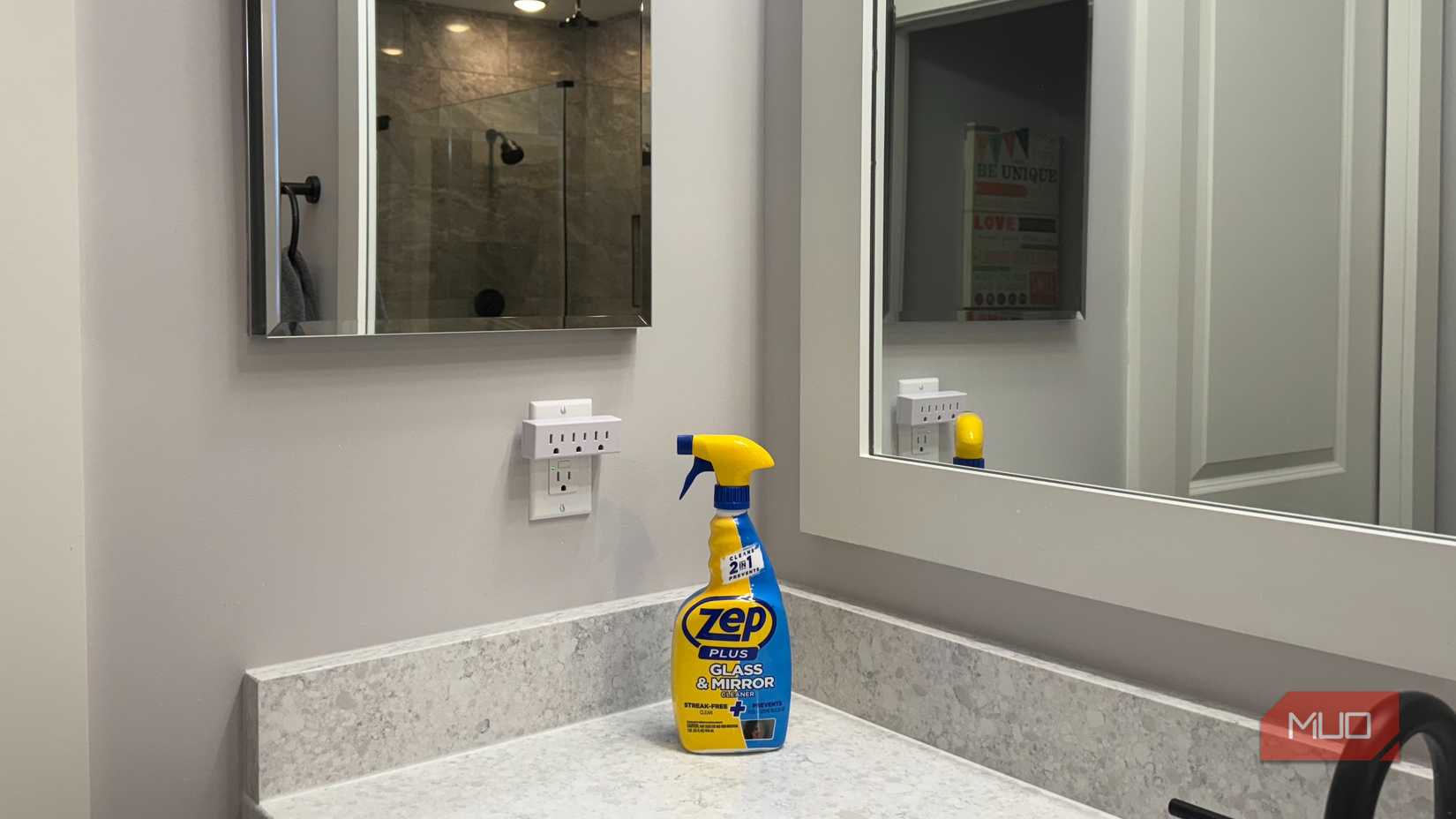
Zep Plus Glass & Mirror Cleaner and Rain-X Interior Glass Anti-Fog aren’t just for bathroom mirrors or car windshields; they’re also suitable for use on other glass surfaces. They work beautifully on house windows. What happens is that the spray changes how water behaves on the surface. Instead of forming a million tiny droplets that scatter light and block your view, the water sheets out flat. Still wet, technically, but you can see through it.
Here’s the thing, though: cleaning matters more than the spray itself. I picked a Saturday and went through the whole house with Windex first—some of those windows hadn’t been touched in a while. After they dried completely, I applied the anti-fog spray and buffed it in. It took about five minutes each. You’ll need to reapply after about a month.
This simple trick stopped my bathroom mirror from fogging up
This low-cost solution will prevent your mirrors from fogging after a hot shower.
Let your windows breathe
Give windows room to dry out
Think about what happens when the curtains stay closed all day. There’s this dead zone between the fabric and the glass where air doesn’t really move. Humidity builds up in that pocket and just sits against the cold window.
We don’t even have curtains or blinds in the three-season room for this reason. However, I’ve gotten better about opening things up in the morning in our bedrooms. I pull the curtains back and the blinds up, and they stay that way until it gets dark. Sun or no sun — the light doesn’t matter as much as just letting air circulate through there. Windows actually dry out instead of staying wet behind closed drapes for hours.
Use ceiling fans to your advantage
Winter calls for clockwise rotation
Clockwise pushes warm air back down to where you’re actually sitting instead of letting it hang out near the ceiling doing nothing. Better circulation means more consistent temps across the room, and less warm, humid air parking itself against your cold windows.
Half the fans in my house were rotating the wrong direction for winter. There’s a little switch on the motor — I had to climb on a step stool to reach mine. It took maybe thirty seconds per fan to flip them all. Ceiling fans spinning correctly for winter do more than keep you warm; your windows will thank you, too.
Heat your rooms more evenly
Supplemental heating for problem areas
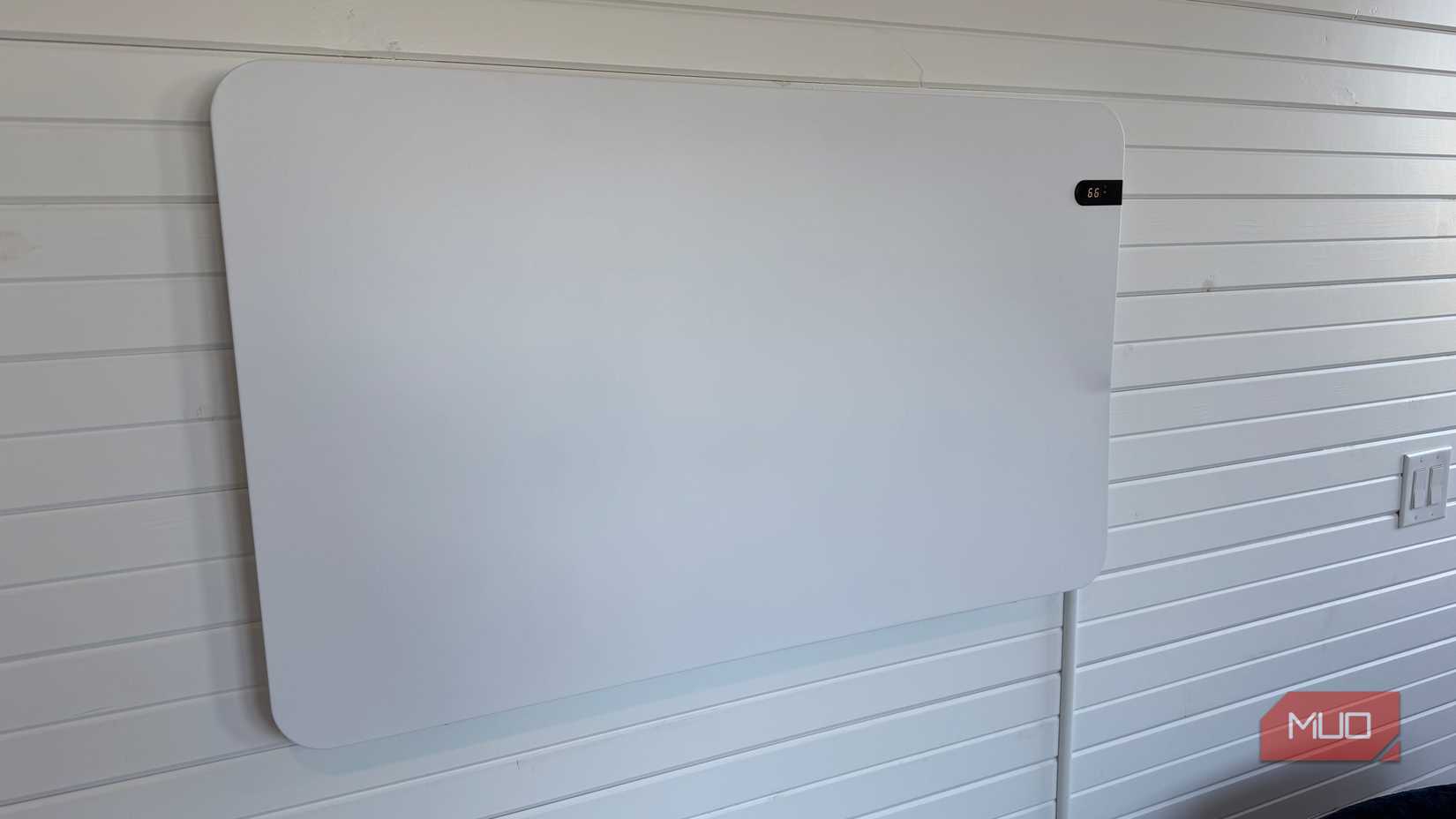
Cold rooms attract condensation. When one space runs way cooler than everywhere else, those windows will fog up first and worst. The three-season room was my worst case. There’s no ductwork out there, so while bedrooms sat at 68°F, that room would dip into the high 50s to low 60s overnight. It was the perfect conditions for foggy windows.
Cheap space heaters weren’t an option — I’ve seen what those do to electric bills in winter. Instead, I put up a Könighaus 800W infrared wall heater on the wall. The way infrared works is that it heats objects in the room, rather than just warming the air. So the window glass itself stays warmer. I scheduled it through the app to run before I wake up, and the fog problem pretty much disappeared. Sure, I already have a gas fireplace in there, but running it gives my wife and me some serious allergies.
Fixing cold spots in your home addresses the same underlying issue. Even temperatures mean fewer condensation problems everywhere.
Seal gaps around your window frames
Caulk the gaps you forgot were there
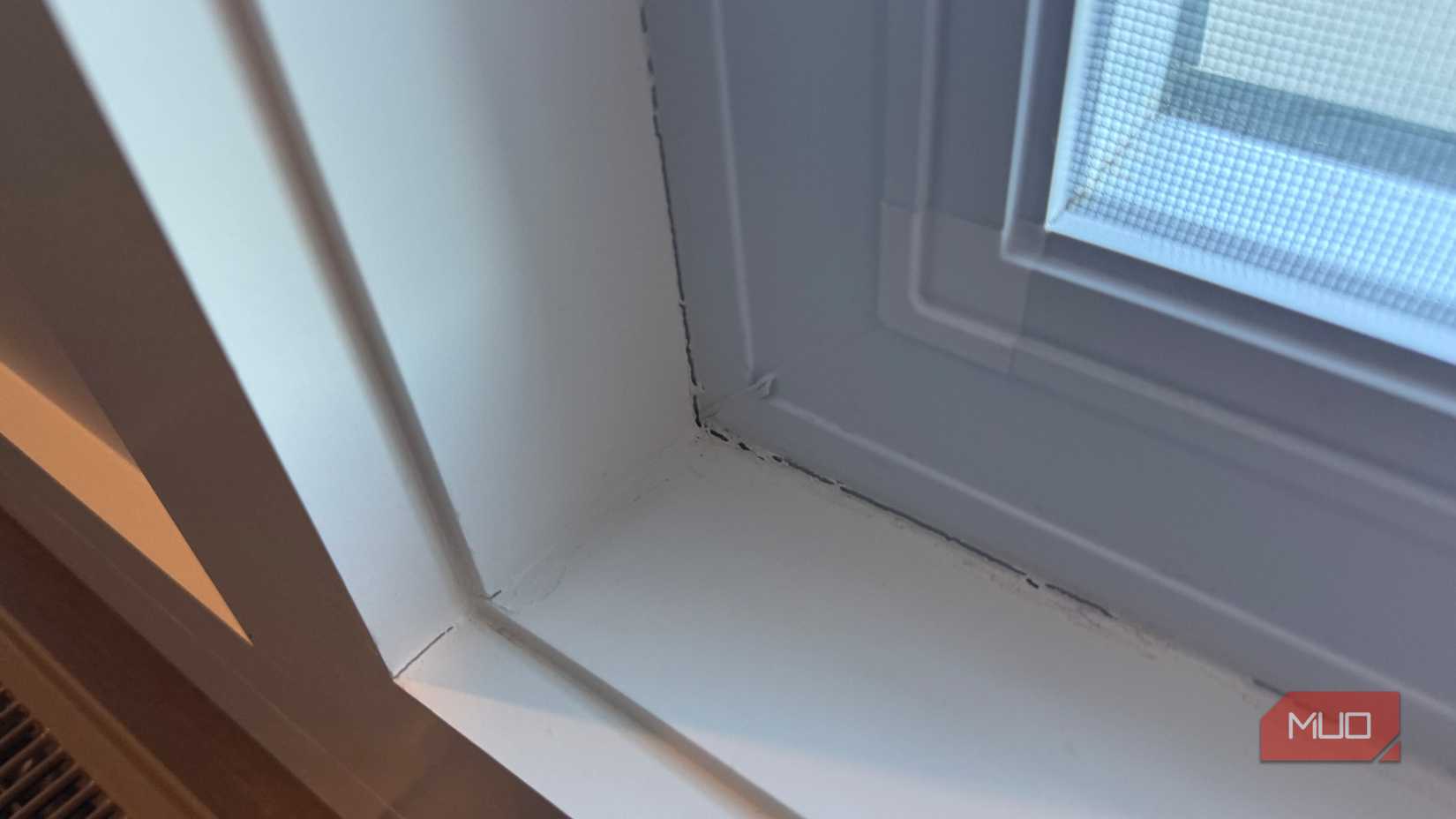
My windows had all these little gaps where the frame meets the wall. I’d never really noticed them until I started paying attention. Cold air gets in through those cracks and chills random spots on the glass — and those are exactly the spots that fog up first. I grabbed some silicone caulk from the garage and went around every window in the three-season room.
The rubber seals on operable windows also break down. After years of opening and closing, they get flat and cracked. Replacing worn weatherstripping costs maybe $15–$20 per window and takes about ten minutes with basic tools.
Create an air buffer between you and the cold
Those plastic shrink-wrap kits you see at hardware stores — like the 3M Indoor Insulator Kit — actually work pretty well. You’re basically creating a pocket of dead air between you and the cold glass. Interior surface stays warmer, and condensation has a harder time forming. They’re cheap and easy enough to install with a hair dryer.
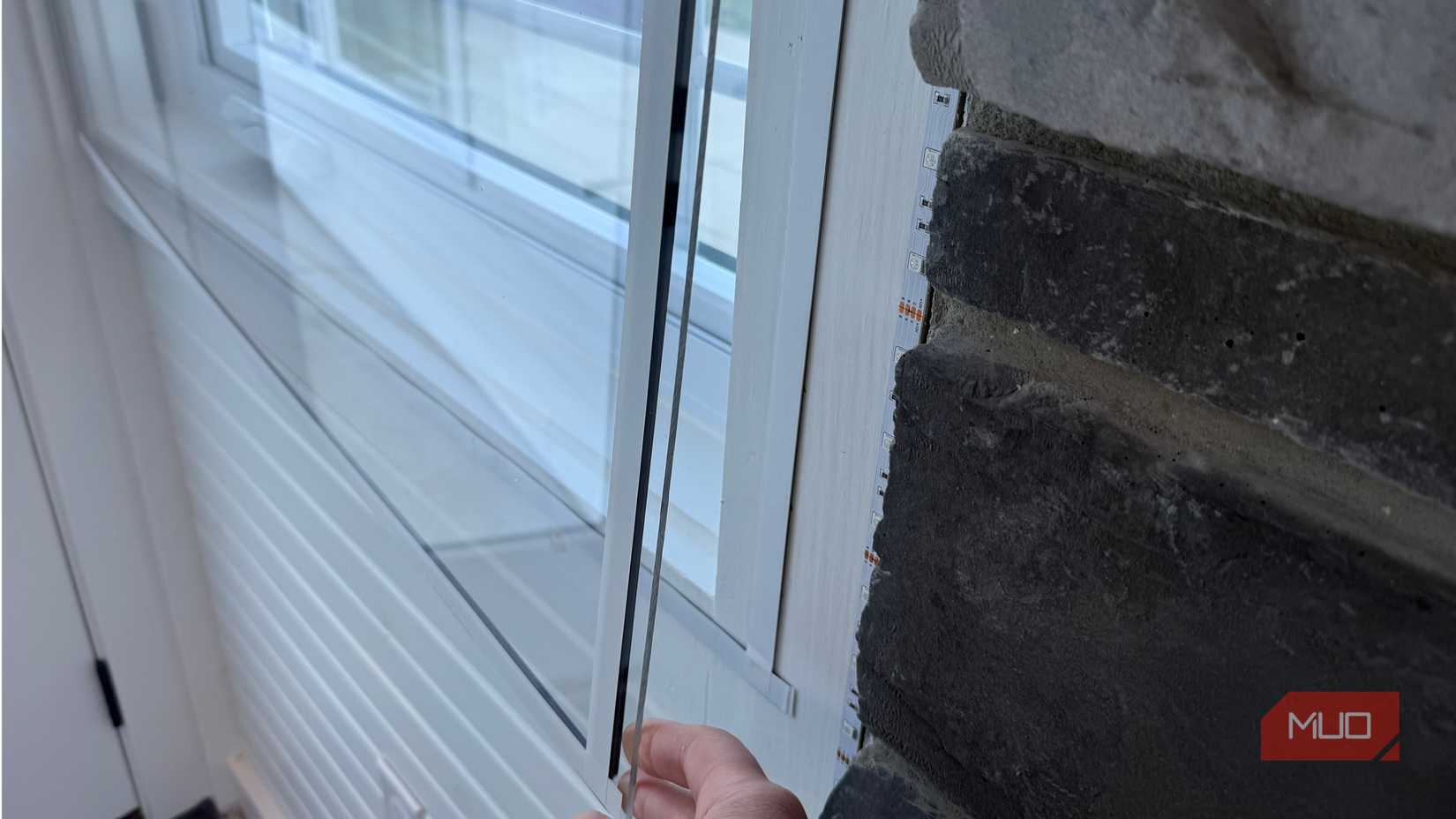
For something more permanent, I went with plexiglass panels using magnetic mounting strips from Window Saver in the three-season room. The panels pop on and off seasonally, look cleaner than plastic film, and provide better insulation. Not the cheapest option, but the durability made it worthwhile for windows I knew would need protection every winter.
Clear mornings start with these fixes
I’m annoyed at myself for dealing with foggy windows as long as I did. Every piece matters — skip the cleaning, and the anti-fog spray won’t stick right. Ignore airflow, and moisture builds up anyway. If you let the room get cold, you’re fighting a losing battle. But the good news is the cheap stuff actually works. Start there. Work through airflow improvements next, then tackle heating and insulation if problems persist. My three-season room went from the worst offender in the house to completely clear, even on mornings when the outdoor temperature drops into the teens.